August 09, 2026
Business Management
Introduction
In a world of increasing cloud dependence, businesses face the challenge of choosing the right cloud model. Should they choose public cloud for its low cost, or private cloud for its high security? The optimal solution might lie in the middle: the hybrid cloud. In this article, we explore the hybrid cloud concept and why it's the ideal choice for many businesses.
What is Hybrid Cloud?
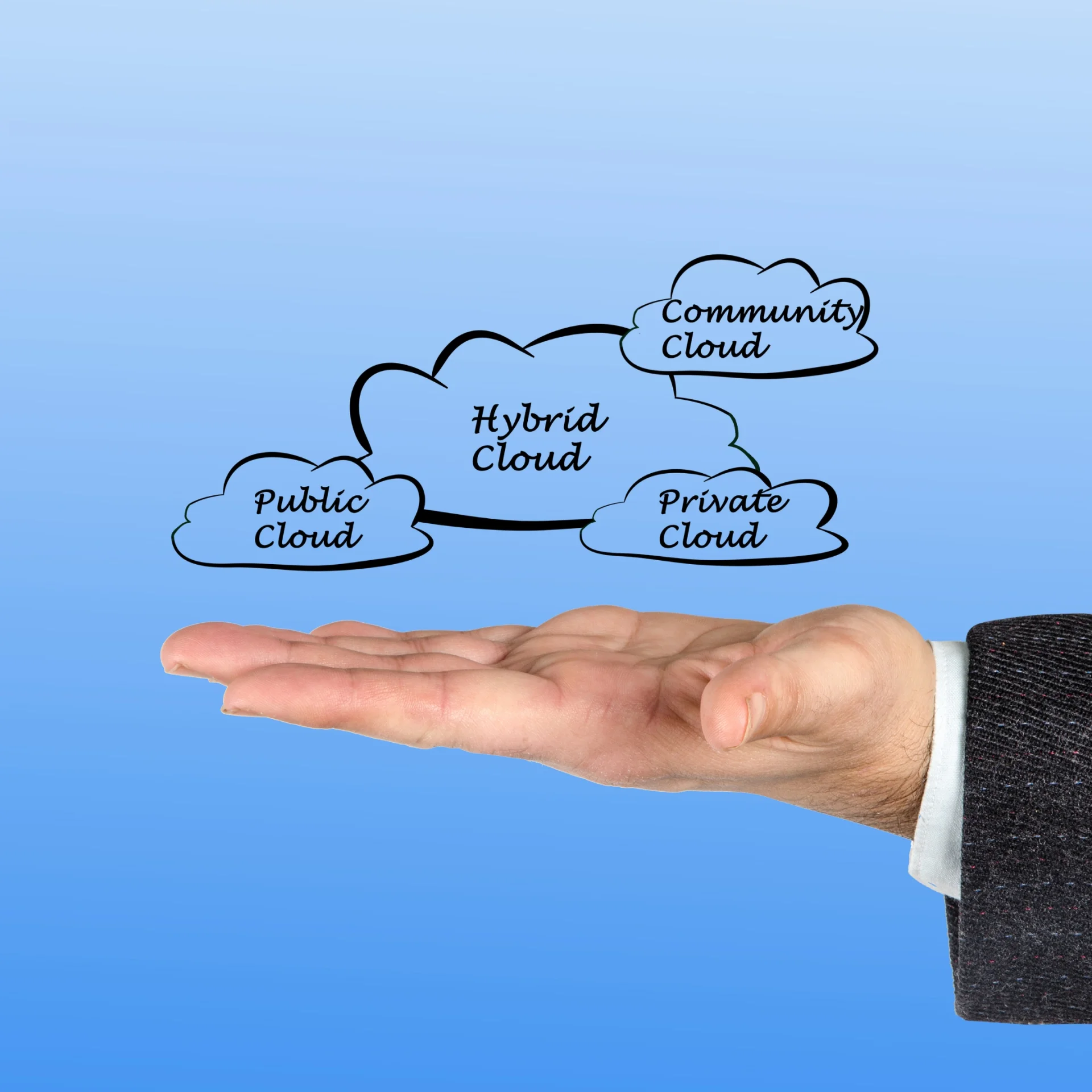
Hybrid cloud is a cloud computing model that combines public cloud infrastructure (such as AWS, Azure, or Google Cloud) with a private cloud (managed in-house), with a layer of orchestration and integration between them. This model enables businesses to leverage the advantages of both types.
Benefits of Hybrid Cloud for Businesses
1. Flexibility and Scalability
Hybrid cloud allows businesses to scale resources as needed. During peak periods, public cloud can handle excess demand, then scale back to private cloud to reduce costs.
2. Enhanced Security
Companies can keep sensitive data and critical applications in the private cloud while using public cloud for less sensitive applications. This provides an optimal balance between security and cost.
3. Cost Optimization
Companies only pay for additional resources used in the public cloud while optimizing their private infrastructure utilization.
4. Regulatory Compliance
Hybrid cloud helps meet local and international compliance requirements by keeping sensitive data within country borders or specified data centers.
5. Business Continuity
Hybrid cloud provides effective disaster recovery and business continuity solutions with backups across both cloud environments.
Hybrid Cloud Challenges
1. Complexity: Managing a hybrid environment requires specialized expertise.
2. Integration: Ensuring seamless integration between both environments.
3. Cross-Environment Security: Securing data in transit between public and private cloud.
4. Cost Management: Tracking costs across both environments can be challenging.
Frequently Asked Questions (FAQ)
Q: What is the difference between hybrid cloud and multi-cloud?
A: Hybrid cloud combines a public and private cloud, while multi-cloud uses multiple public clouds from different providers.
Q: Is hybrid cloud suitable for small businesses?
A: Yes, but it's most beneficial for companies with specific security or compliance requirements.
Q: What are the most popular hybrid cloud platforms?
A: Azure Arc (Microsoft), AWS Outposts, Google Anthos, and OpenShift (Red Hat).
Conclusion
Hybrid cloud offers the best of both worlds: public cloud flexibility and private cloud security. Companies adopting this model gain a competitive advantage in the digital market. Bahr Altechnology helps you design and implement hybrid cloud solutions tailored to your needs.
Call to Action
Want to know how hybrid cloud can benefit your company? Contact Bahr Altechnology experts for a free consultation.
Before implementing any technical solution, define the objective, success metrics, and available resources. Run a limited pilot, test security and performance, document the configuration, and monitor results after launch. Review permissions, backups, and rollback procedures regularly as systems and risks change.
In a world of increasing cloud dependence, businesses face the challenge of choosing the right cloud model. Should they choose public cloud for its low cost, or private cloud for its high security? The optimal solution might lie in the middle: the hybrid cloud. In this article, we explore the hybrid cloud concept and why it's the ideal choice for many businesses.
What is Hybrid Cloud?
Hybrid cloud is a cloud computing model that combines public cloud infrastructure (such as AWS, Azure, or Google Cloud) with a private cloud (managed in-house), with a layer of orchestration and integration between them. This model enables businesses to leverage the advantages of both types.
Benefits of Hybrid Cloud for Businesses
1. Flexibility and Scalability
Hybrid cloud allows businesses to scale resources as needed. During peak periods, public cloud can handle excess demand, then scale back to private cloud to reduce costs.
2. Enhanced Security
Companies can keep sensitive data and critical applications in the private cloud while using public cloud for less sensitive applications. This provides an optimal balance between security and cost.
3. Cost Optimization
Companies only pay for additional resources used in the public cloud while optimizing their private infrastructure utilization.
4. Regulatory Compliance
Hybrid cloud helps meet local and international compliance requirements by keeping sensitive data within country borders or specified data centers.
5. Business Continuity
Hybrid cloud provides effective disaster recovery and business continuity solutions with backups across both cloud environments.
Hybrid Cloud Challenges
1. Complexity: Managing a hybrid environment requires specialized expertise.
2. Integration: Ensuring seamless integration between both environments.
3. Cross-Environment Security: Securing data in transit between public and private cloud.
4. Cost Management: Tracking costs across both environments can be challenging.
Frequently Asked Questions (FAQ)
Q: What is the difference between hybrid cloud and multi-cloud?
A: Hybrid cloud combines a public and private cloud, while multi-cloud uses multiple public clouds from different providers.
Q: Is hybrid cloud suitable for small businesses?
A: Yes, but it's most beneficial for companies with specific security or compliance requirements.
Q: What are the most popular hybrid cloud platforms?
A: Azure Arc (Microsoft), AWS Outposts, Google Anthos, and OpenShift (Red Hat).
Conclusion
Hybrid cloud offers the best of both worlds: public cloud flexibility and private cloud security. Companies adopting this model gain a competitive advantage in the digital market. Bahr Altechnology helps you design and implement hybrid cloud solutions tailored to your needs.
Call to Action
Want to know how hybrid cloud can benefit your company? Contact Bahr Altechnology experts for a free consultation.
Before implementing any technical solution, define the objective, success metrics, and available resources. Run a limited pilot, test security and performance, document the configuration, and monitor results after launch. Review permissions, backups, and rollback procedures regularly as systems and risks change.